
Is it safe to drive in Egypt? What to know for Sinai and Sharm El Sheikh
The short answer: it depends on where, when and how. The UK Foreign Office (FCDO) says road accidents are common in Egypt, yet it describes travel to the Red Sea resorts of southern Sinai as generally low risk. In practice, the time of day, the route and your familiarity with local driving habits matter most. This guide sticks to what official sources say, without scare stories or invented statistics. Facts were checked on 15 October 2026; check current advice before you travel.
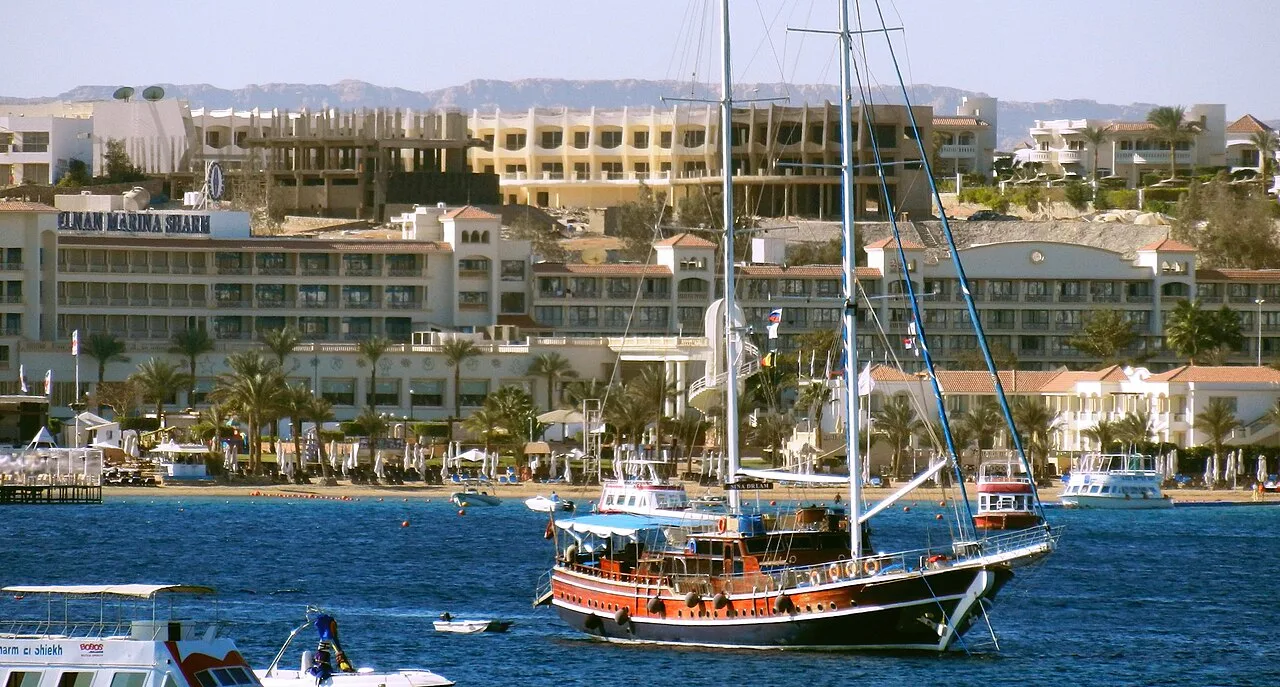
What official advice says about Egypt's roads
The FCDO warns that accidents are common because of variable road conditions, dangerous driving and poor traffic law enforcement. That is a judgement about the whole country, not one route. The same page advises you not to drive outside main cities and resorts at night. It is advice, not a ban, but it is the line with the most practical weight.
The rules themselves are simple. Drivers and front seat passengers must wear seatbelts. Driving under the influence of alcohol or drugs is a serious offence, with a fine and possible imprisonment according to the FCDO, and the Austrian motoring club quotes zero tolerance for alcohol. On speed limits the sources disagree (urban limits are quoted as 30 or 60 km/h), so follow the posted signs. Since May 2024 the Public Prosecutor has told prosecutors to prioritise speeding cases, and extreme speeding can bring criminal charges rather than a fine alone.
South Sinai: resorts, checkpoints and routes
The FCDO says travel to the Red Sea tourist areas in the southern part of Sinai is generally low risk, and that security forces carry out routine vehicle checks to protect resorts such as Sharm El Sheikh. That explains the checkpoints you will meet: police check ID regularly and ask to see your passport. What to carry is covered in our guide to Sinai checkpoints, fuel and road rules.
At the same time the FCDO advises against all but essential travel to the northern part of South Sinai Governorate beyond the St Catherine to Nuweiba road, except for the coastal areas on the west and east of the peninsula, and against all travel to North Sinai. For off-road driving it says to use a qualified guide and get a permit from the Ministry of Interior. The ordinary Sharm to Dahab drive has its own guide.
Night driving, animals and speed bumps
Night is the clearest risk. One traveller's report says roads are lit only near big cities, speed bumps are rarely signposted and oncoming drivers may use high beams. That is anecdotal, not an official statistic, but it fits the FCDO advice not to drive outside towns and resorts after dark.
Plan longer drives so that you arrive in daylight. We found no reliable source about animals on Sinai roads, so we will not claim anything either way. Drive as you would on any unfamiliar road, leaving room to brake.
How to prepare before you drive
Carry your passport (not just a photo), the rental contract and the car papers. Ask the company whether the contract covers the route you plan. According to our local partner companies, a national driving licence from any country is enough to rent, while the official advice from the FCDO and motoring clubs is to carry an International Driving Permit as well for road checks; see our IDP guide.
Check the car at pick-up, take photos and make sure belts and lights work. If the company keeps your passport instead of taking a deposit, agree which ID you will carry on the road. Use navigation that works offline and start a long stretch with a full tank. Do not drive tired straight after a flight; make the first day a short one.
What about taxis and apps? Are street taxis safe
Street and airport taxis have no meter and you agree the fare before getting in, as Wikivoyage notes. The same source suggests noting the driver's ID number and paying only on arrival. The FCDO advises avoiding travelling alone in a taxi, especially at night, and sharing the driver's details, the trip and your live location with a friend. That advice is aimed mainly at women travelling alone, but anyone can use it.
According to our local partner companies in Sharm (October 2026), Careem and inDrive work in Sharm and Uber does not. On inDrive you propose your own fare and pay in cash. Driver availability at the airport and late at night can vary. Apps are not a safety guarantee in themselves, so the same rules apply: check the car, the plate number and the route. Our taxi guide compares the options.
When a driver is the better choice
Driving yourself makes sense by day, on routes you know, if you enjoy it. A driver is the better choice in several situations: after landing when you are tired, on a long route that would end after dark, for an evening out at the hotel with alcohol, when local traffic makes you uneasy, or with small children and a lot of luggage.
With Charm Rental, a driver is always part of a with-driver booking, and the current lowest price per vehicle is shown on the offer page. Details such as a name sign or flight tracking should be confirmed when you send the request. If you would rather drive, see the cars available and how we verify companies.